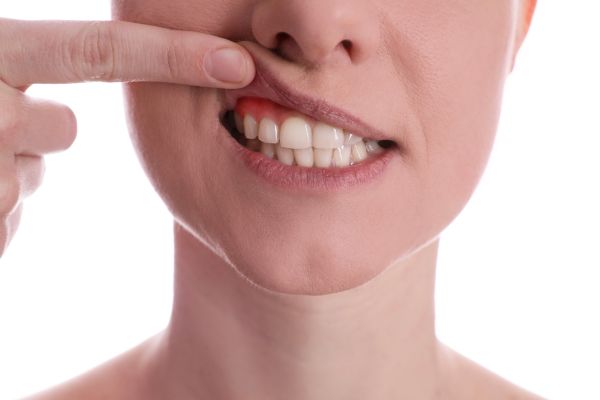
Chipped Tooth Repair Options: Bonding, Veneers, and More
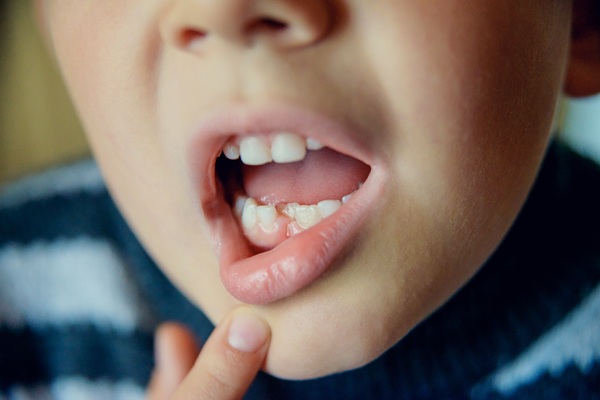
A chipped tooth can affect your smile's appearance and oral health, leading to discomfort, sensitivity, and self-esteem issues. Fortunately, there are several effective options to restore a tooth's natural look and strength. A variety of treatments are available, depending on the severity of the chip, its location, and your treatment goals.
Causes and concerns of a chipped tooth
A chipped tooth can result from several factors. Common causes include:
- Dental trauma (e.g., accidents, falls, or sports injuries)
- Biting down on hard foods or objects
- Weakened enamel (e.g., aging, untreated cavities, or acidic foods and drinks)
- Bite misalignment
- Teeth grinding or clenching (bruxism)
Regardless of the cause, a chipped tooth requires professional diagnosis and treatment to prevent further damage or infection. Even a minor chip can expose the inner layers of the tooth, leading to increased sensitivity when consuming hot or cold foods. Larger chips may also affect the patient's bite alignment or the structural integrity of the tooth. Early treatment of a chipped tooth helps preserve oral health and prevents the need for more invasive procedures in the future.
Treatment options for chipped teeth
Dental bonding
Dental bonding, also known as composite bonding, is one of the most common solutions for repairing a chipped tooth, particularly for minor damage. During this procedure, the dental team applies a tooth-colored composite resin to the affected area and shapes it to match the natural contour of the tooth. Then, they can harden the resin with a special curing light and polish it for a smooth finish.
Bonding is typically completed in a single visit and provides immediate improvement to the patient's smile. It blends seamlessly with surrounding teeth, offering a natural appearance. However, bonded material may not be as durable as other restorative options. Over time, it may require touch-ups or replacement, especially if subjected to pressure from habits such as teeth grinding, using teeth as tools, or nail-biting.
Inlays and onlays
In cases where the damage is too extensive for bonding but not severe enough to require a full crown or veneer, inlays and onlays offer a balanced alternative. These restorations can consist of porcelain, composite resin, or gold. They are custom-fitted to the affected portion of the tooth.
An inlay fits within the cusps of the tooth, while an onlay extends over one or more cusps. Both treatment options restore the tooth's strength and structure without covering the entire surface. Inlays and onlays are also durable and preserve more of the natural tooth structure compared to other dental restoration options.
Porcelain veneers
Porcelain veneers offer an effective and long-lasting solution for chipped teeth. Veneers are thin shells of porcelain custom-designed to fit over the front surface of the patient's teeth. They are ideal for repairing moderate chips or for improving the appearance of multiple teeth at the same time.
During the veneer placement process, the dentist will remove a small portion of the tooth's enamel to ensure a comfortable and secure fit. Then, they will take an impression of the patient's teeth and send the results to a dental lab. This is where the veneer is crafted to match the patient's natural tooth color. Once completed, the dentist will bond the veneer to the tooth, leading to a durable and stain-resistant solution for moderate chips.
Porcelain veneers offer greater strength and longevity than dental bonding. They also resist discoloration and maintain their sheen for up to 15 years with proper care. However, the procedure is more expensive than other treatment options. Veneers are also more invasive, as they require the dentist to remove tooth enamel, making it an irreversible treatment.
Dental crowns
When a chipped tooth has lost a substantial portion of its natural structure, a dental crown may be the most effective solution to protect it from further decay. A crown acts as a cap and covers the entire visible portion of the tooth. It provides additional strength, protection, and an improved appearance to the patient's smile.
The procedure involves reshaping the damaged tooth and taking impressions. Then, the dentist will fit a temporary crown to the prepared tooth to protect it while a custom permanent crown is made. Once ready, the dentist can cement the permanent crown in place, fully restoring the tooth's function and appearance.
Crowns are available in several materials, including:
- Porcelain
- Ceramic
- Metal alloys
- Porcelain-fused-to-metal
- Zirconia
Dentists often recommend porcelain and ceramic crowns for more visible teeth due to their natural appearance. With proper care, crowns can last up to 20 years.
Schedule a consultation at our office
A chipped tooth can be a cosmetic and functional concern. Fortunately, modern restorative dentistry offers numerous options to address the damage and repair your smile. With the right approach, our dental team can fully restore your tooth and allow you to enjoy a confident smile again. Call our office to learn more about our services or to schedule a consultation.
Request an appointment here: https://princewilliamdental.com or call Prince William Dental at (703) 662-8287 for an appointment in our Gainesville office.
Check out what others are saying about our dental services on Yelp: What Should I Do If I Chip My Tooth in Gainesville, VA.
Recent Posts
A chipped tooth often occurs unexpectedly, often from biting into something hard, a fall, or an oral injury. While some individuals do not mind that they experienced a minor chip, patients with more severe chips often require professional treatment to avoid cosmetic and overall oral health issues. Cosmetic dentists offer a variety of treatments that…
A broken tooth can be a stressful and uncomfortable experience, requiring prompt attention to prevent further damage or complications. Whether caused by an accident, biting into something hard, or untreated decay, addressing a broken tooth quickly is crucial to maintaining oral health. Understanding the steps to take after experiencing a broken tooth can help preserve…
A chipped tooth may seem like a minor issue, but it can lead to several complications if left untreated. By taking immediate action, you can prevent pain, preserve tooth structure, and reduce the risk of further damage. A general dentist can evaluate the extent of the chip and help restore the tooth to maintain a…
Having a broken tooth can be a stressful situation, but it does not need to permanently alter your smile. Knowing what to do immediately after a tooth breaks or if it cracks can mean the difference between needing an implant later and saving the original tooth.A broken tooth is an urgent matter, and in many…