TMJ Dentist: Diagnosing and Treating Jaw Joint Disorders

A TMJ dentist specializes in diagnosing and treating disorders of the temporomandibular joint, which connects the jaw to the skull. TMJ disorders or TMJDs can lead to pain and difficulty with everyday activities such as chewing and speaking. Understanding the causes and symptoms of TMJDs can help individuals seek appropriate care.
Understanding TMJ disorders
The temporomandibular joint (TMJ) plays an important role in jaw movement, allowing people to chew, speak, and open their mouths comfortably. When this joint becomes inflamed or damaged, it can lead to a variety of symptoms, often referred to as temporomandibular joint disorder (TMD).
TMJ disorders can result from factors such as teeth grinding (bruxism), jaw injuries, arthritis, or misalignment of the teeth and jaw. Additionally, stress and poor posture may also contribute to TMJ pain by placing additional strain on the muscles surrounding the joint.
Common symptoms of TMJ disorders
TMJ disorders can affect individuals in different ways, but some common symptoms include:
- Jaw pain or tenderness
- Clicking, popping, or grinding sounds when opening and closing the mouth
- Difficulty chewing or discomfort while eating
- Locking of the jaw, making it hard to open or close the mouth
- Headaches or ear pain
- Facial swelling or discomfort in the neck and shoulders
Symptoms may be mild in some cases but so severe for others that they impact daily life significantly. A TMJ dentist can recommend appropriate treatment options based on the condition's severity.
How a TMJ dentist diagnoses jaw joint disorders
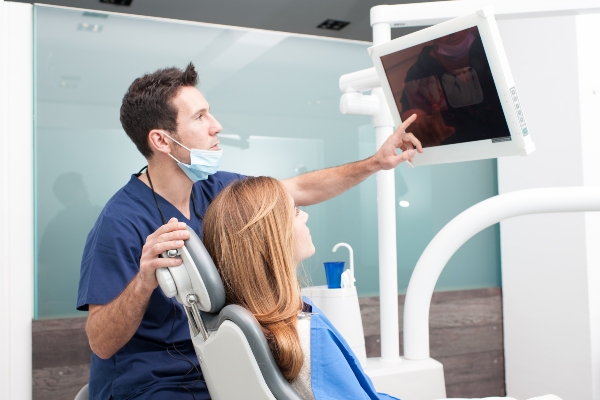
The diagnostic process begins with a thorough evaluation of the patient's symptoms and medical history. A physical examination of the jaw, face, and neck helps identify signs of tenderness, swelling, or misalignment. The dentist may also listen for unusual sounds in the jaw joint when the patient moves their mouth. In some cases, imaging tests such as X-rays, CT scans, or MRIs may be necessary to get a detailed view of the jaw joint and surrounding structures. These tests help the dentist assess the extent of the damage and determine the best course of action for treatment.
Treatment options for TMJ disorders
Treatment from a TMJ dentist will vary by patient and may include a combination of interventions. For example, treatment may range from conservative at-home care to more advanced dental procedures.
Lifestyle changes and home remedies
For mild cases, simple lifestyle adjustments can help alleviate symptoms. Patients may need to:
- Eating soft foods can reduce strain on the jaw
- Application of ice packs or warm compresses may ease pain and inflammation
- Practicing gentle jaw stretches and relaxation exercises
- Avoiding excessive chewing, such as gum chewing or biting nails
- Maintaining good posture can prevent additional stress on the jaw
Dental treatments and therapies
If symptoms persist, a TMJ dentist may recommend specific dental treatments, including the following.
Mouthguards or splints
Custom-fitted oral appliances can help reduce teeth grinding and keep the jaw properly aligned while sleeping.
Orthodontic treatment
If misaligned teeth contribute to TMJ issues, braces or other orthodontic treatments may help correct the problem.
Dental adjustments
Modifying the bite by reshaping teeth or using crowns may improve jaw alignment and reduce TMJ strain.
Medications and professional therapies
For moderate to severe cases, medications and therapies may be necessary. A TMJ dentist may suggest:
- Over-the-counter or prescription pain medication
- Muscle relaxants to ease jaw tension
- Physical therapy to strengthen jaw muscles and improve mobility
Advanced treatment options
More advanced procedures may be considered if conservative methods do not provide relief. These may include:
Injections
Corticosteroid or Botox injections can help reduce pain and inflammation in the jaw muscles.
Arthrocentesis
This minimally invasive procedure flushes out debris and inflammation from the jaw joint.
Surgical interventions
In rare cases, jaw surgery may be necessary if structural issues are causing severe TMJ dysfunction.
When to see a TMJ dentist
Anyone experiencing persistent jaw pain, difficulty chewing, or other TMJ disorder symptoms should seek evaluation from a TMJ dentist. Early diagnosis and treatment can prevent the condition from worsening and improve long-term oral health. A professional assessment ensures that the most effective treatment plan is developed based on individual needs.
Taking control of jaw health
TMJ disorders can be painful and disruptive, but a TMJ dentist can help diagnose the condition and provide effective treatment options. Understanding the causes, symptoms, and available treatments can empower individuals to take control of their jaw health and relieve discomfort. Call today to learn more about how we can help.
Request an appointment here: https://princewilliamdental.com or call Prince William Dental at (703) 662-8287 for an appointment in our Gainesville office.
Check out what others are saying about our dental services on Yelp: TMJ Dentist in Gainesville, VA.
Recent Posts
TMJ disorder can be a serious condition and is not something you should ignore. This disorder can affect people of all ages, even those who have good oral health. The effects of TMJ include pain in the jaw that can radiate to other parts of the face. If you do not address these symptoms, you…
A TMJ dentist is a dentist who is trained in general dentistry but continues their education with a focus on the temporomandibular joint and its disorders. They spend their days treating general dental conditions, however, much of their efforts are spent diagnosing, managing, and treating TMJ disorders.TMJ dentists are great resources to utilize when suffering…
In addition to proper brushing and flossing, routine professional dental services are an important part of maintaining oral health. A general dentist performs regular cleanings and checkups and can also provide numerous services for prevention and treatment. While some offerings may vary by location, general dentists can address the most common dental issues.Every six months,…
One of the leading causes of anxiety surrounding dental procedures is a fear of pain. However, most offices provide several pain management options for patients undergoing more intense dental work. In many situations, injections are an efficient and effective form of anesthesia for several common procedures, such as fillings, crowns and root canals.When a dentist…